Preparing the paperwork for your home
Plans, renovations and useful documents also tell the story of your home. Bringing them together in a clear file helps with the valuation and your first conversations with an adviser.
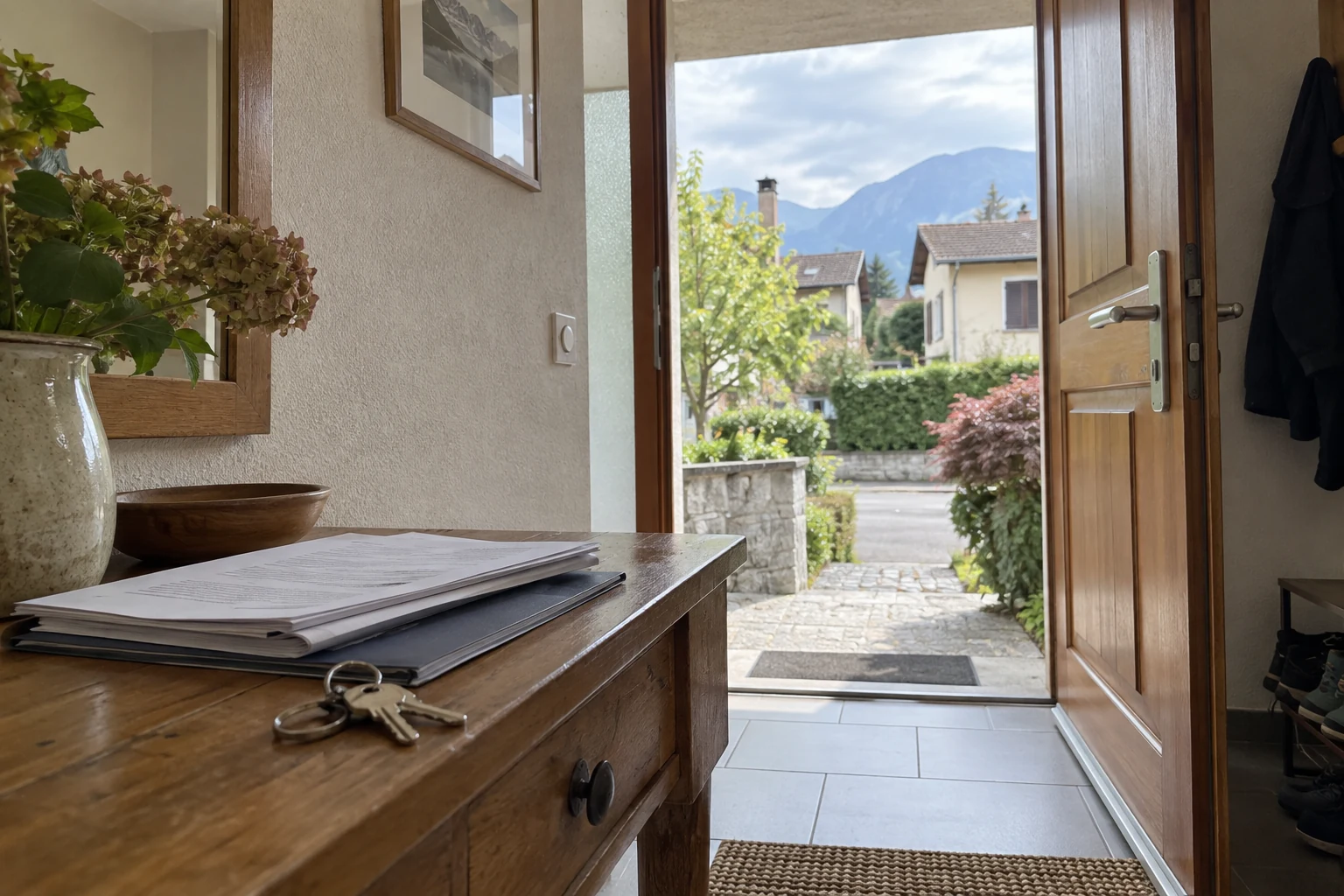
Find existing documents
Start with plans, documented areas and renovation details. Add useful invoices and, for a flat, the co-ownership documents you hold. Identify what is missing without delaying your initial contact.
Describe the property precisely
Distinguish documented areas from measurements to confirm. Note everyday features such as light, garden, access and amenities, as well as matters needing examination. A clear file avoids approximations during valuation.
Prepare your own plans
Set your priorities, timing, your next home and availability for viewings. Write down your questions. Your first meeting will be more useful if it addresses both the house and the decisions you need to make.
Understand what gives your property its value.
Market figures provide context. The visit documents your property. The analysis brings the elements together to explain the assessed value.
Current value is based on documented uses, condition and rights. An extension or conversion project is presented separately with conditions to check. This distinction gives you a clear basis for decisions.
Understand our method